A picture is more than what you see.
Why I often have to explain what I don’t do.
I have been doing artistic nude photography for over 25 years.
Not as a project. Not by chance. But because I like doing it. And because it’s stayed that way to this day.
Nevertheless, I often have to explain myself. Or rather: to differentiate myself. Because what is often labeled “nude photography” today has little to nothing to do with what I do.
Someone takes their clothes off, someone holds the camera up to it – and then calls it nude photography. No feeling for light, no idea of the picture. Just naked, because you think that’s enough. But it’s not. Not for me.
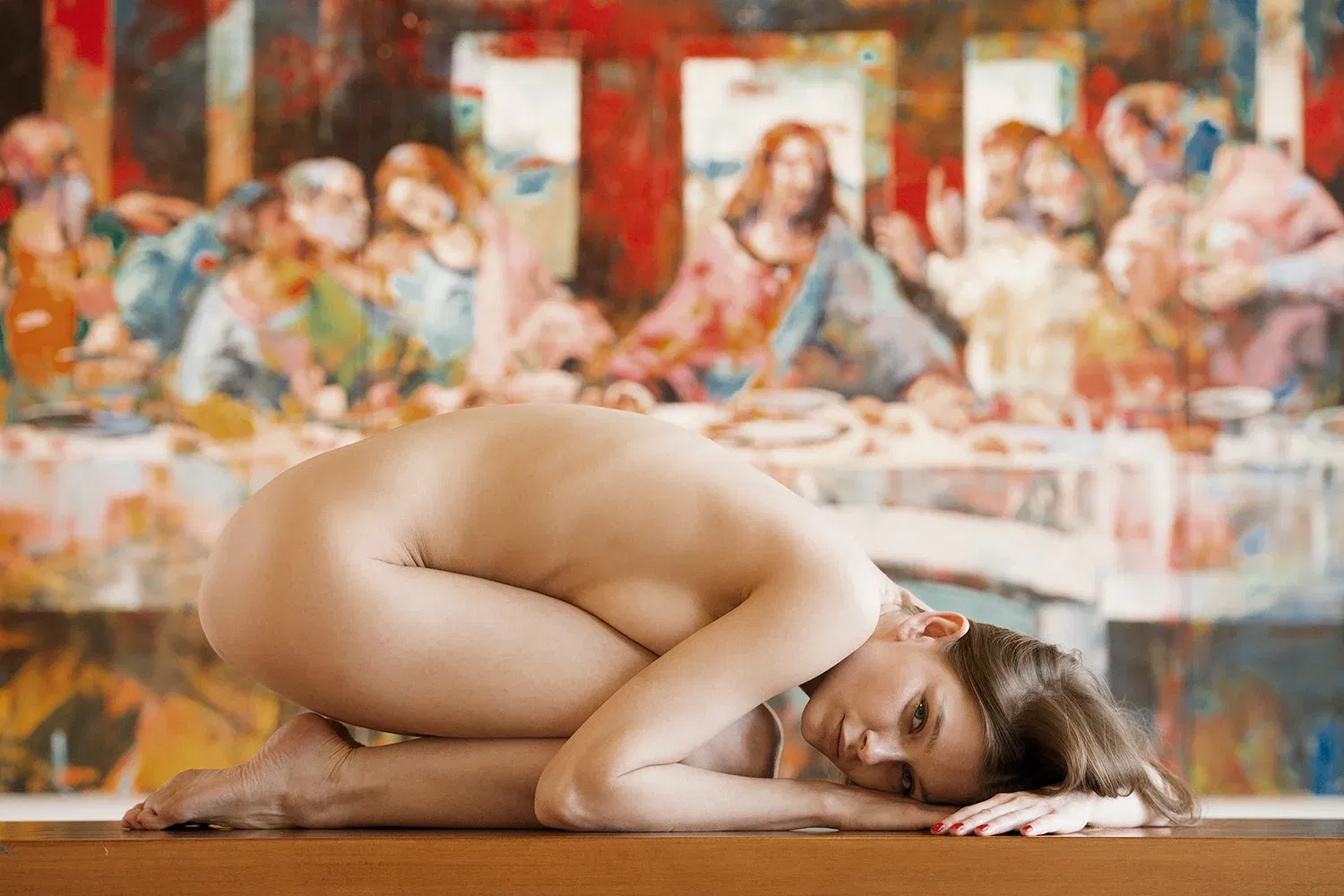
I don’t photograph bodies. I photograph situations.
Of course I’m interested in the body. Otherwise I would photograph something else. But it’s not the focus. It’s about more. It’s about what happens between two people. It’s part of the picture – not the picture itself. What really interests me is the moment. The tension. That little bit of uncertainty, closeness or silence that sometimes suddenly appears between two people. I have also published many of these pictures in my books on erotic photography not because they are perfect, but because they are real.
When I’m photographing and I notice that something is happening, that something is tilting or emerging, then I know that it’s worth taking a closer look.
That’s usually when I take the pictures that stay. Not necessarily the perfect ones – but the real ones. You can also see this in the SIGNED.FRAMED.ICONIC series: small, framed pictures, reduced to the essentials – to the moment, not the pose.
And sometimes I only see it all much later. Half a year, a year later. Suddenly a picture stands out that I almost overlooked the first time I looked through it. Because some things only become apparent from a distance.
I don’t publish some of these pictures immediately – or not at all in the store. On Patreon I show series that are a little more personal. Unembellished, sometimes raw, but always genuine.
I don’t like working in the studio
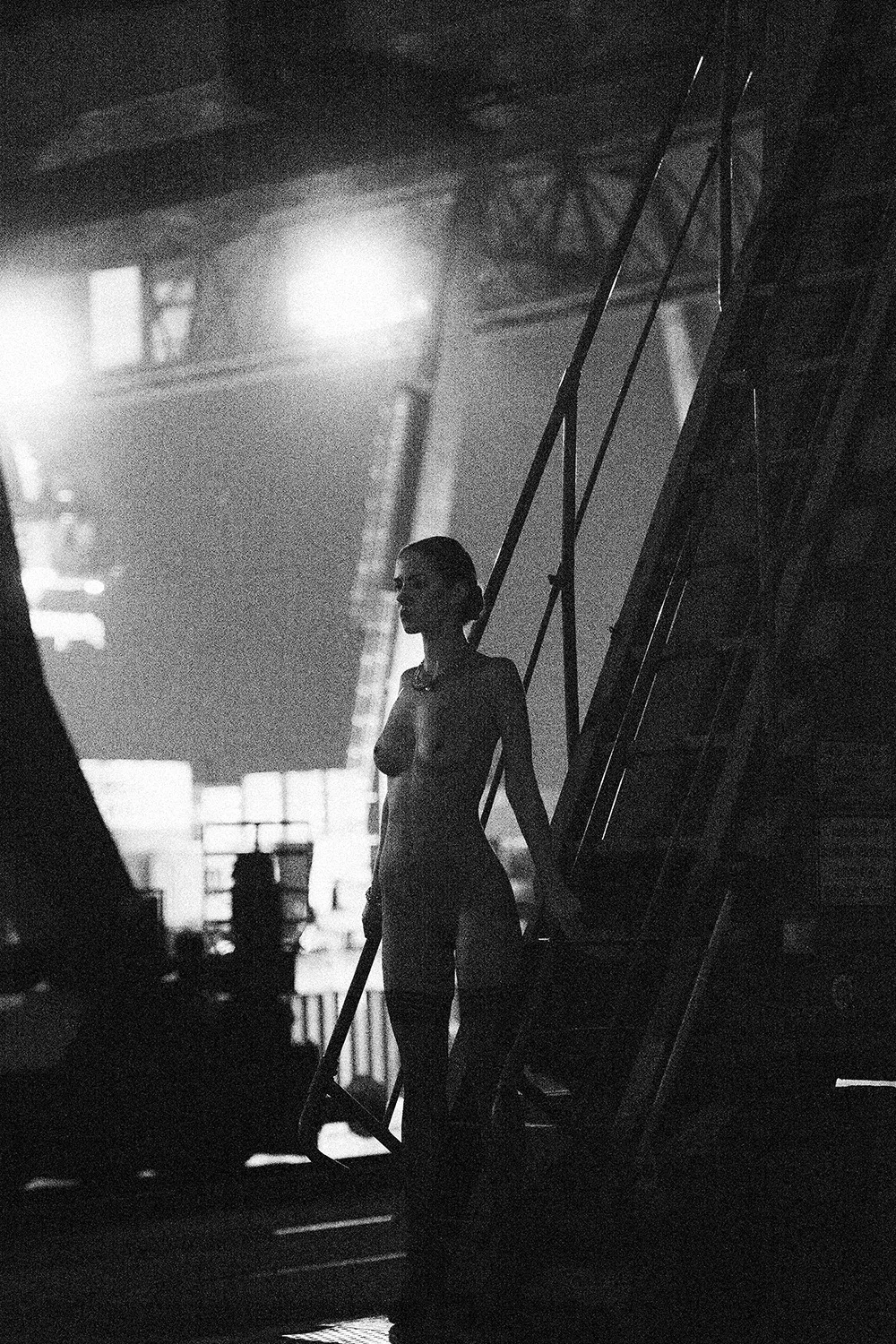
I need real places. No velvet, no Greek columns, no fields of flowers. And no sterile hollows with no corners, no edges, no atmosphere. A white background can be everything and nothing – but mostly it’s just empty.
Of course, there are also strong recordings that are created right there. I’m only speaking for myself here, and I can only speak for myself, but I need spaces that challenge me. The majority of the works from the Collector’s Edition were created in precisely such places – in abandoned houses, other people’s apartments, hotel rooms. Places with history, not decoration.
Someone else might hate working on location – for me it’s exactly what keeps me awake when I’m taking photos.
A window, a rough floor, an armchair that has seen better days – often that’s all it takes.
When I’m in the same place for the tenth time, I notice how the pictures repeat themselves. Not automatically worse, but to be expected.
A new location changes the way I photograph.
I do not pretend. I work with
I like it when the model thinks along with me. When she doesn’t just perform, but becomes part of the process. When she moves, tries things out, contributes something.
For me, a good shoot is not a one-man show, but something we do together. I don’t have a fixed script in my head. I observe. I react. And I allow something to emerge that I hadn’t planned beforehand.
I don’t say: “Do it this way because I want to.” Of course I have an idea, but the best pictures are often created when this idea is set in motion.
When something unexpected happens. When the model doesn’t ask herself: “What does he want from me?” but: “What can I contribute myself?”
Then it gets interesting. Then it becomes real.
Good artistic nude photography is collaboration – not direction.
I have clear boundaries
I focus on figurative art. And yes – it can be sultry at times. But it never becomes porn. But what exactly is porn? Everyone has their own boundaries.
For me, it’s clear where mine lies.
I show closeness – but no explicit actions. It’s often even more appealing when something remains hidden. When you can feel that something is there – without seeing everything.
And of course I sometimes see more when I’m taking photos than is later visible in the pictures. But one thing goes without saying for me: if a pose shows too much, I don’t just pull the trigger. Then I tell the model. That’s a basic principle.
Because trust only works if you don’t exploit it.
I work with models who understand that.
And to avoid any misunderstandings in the first place, there is a contract. Before the shoot. Everything is clarified: what is shown, what is not. What happens to the pictures, where they appear. This has nothing to do with bureaucracy, but with respect.
And if someone notices that it’s not right – then it’s not right.
It’s simple.
There are images that work – and people too
Some of the best series have been created with models I have worked with on and off for years. Something grows there. You know each other. You know what makes the other person tick. The best pictures are often not taken on the first shoot, but on the third or fifth. When the trust is there. When no one has to prove anything anymore. And that’s exactly what you can see in the pictures.
Three names are exemplary for me: Ana-Andreea, Dorka and Noemi.
I didn’t just photograph a series with them, but worked with them again and again over the years. There was a certain openness right from the start – trust, sympathy, a common language without many words.
And even if we sometimes didn’t shoot for a year: The next time we met, it was as if we had just photographed together last week.
You can tell that there’s more to it than just a one-off shoot. More than a normal working relationship. You can feel a connection in the pictures – not staged, not emphasized, just there. Incidentally, one of the three of them regularly calls me “slightly crazy”.
What she doesn’t say is that she is the same;-)
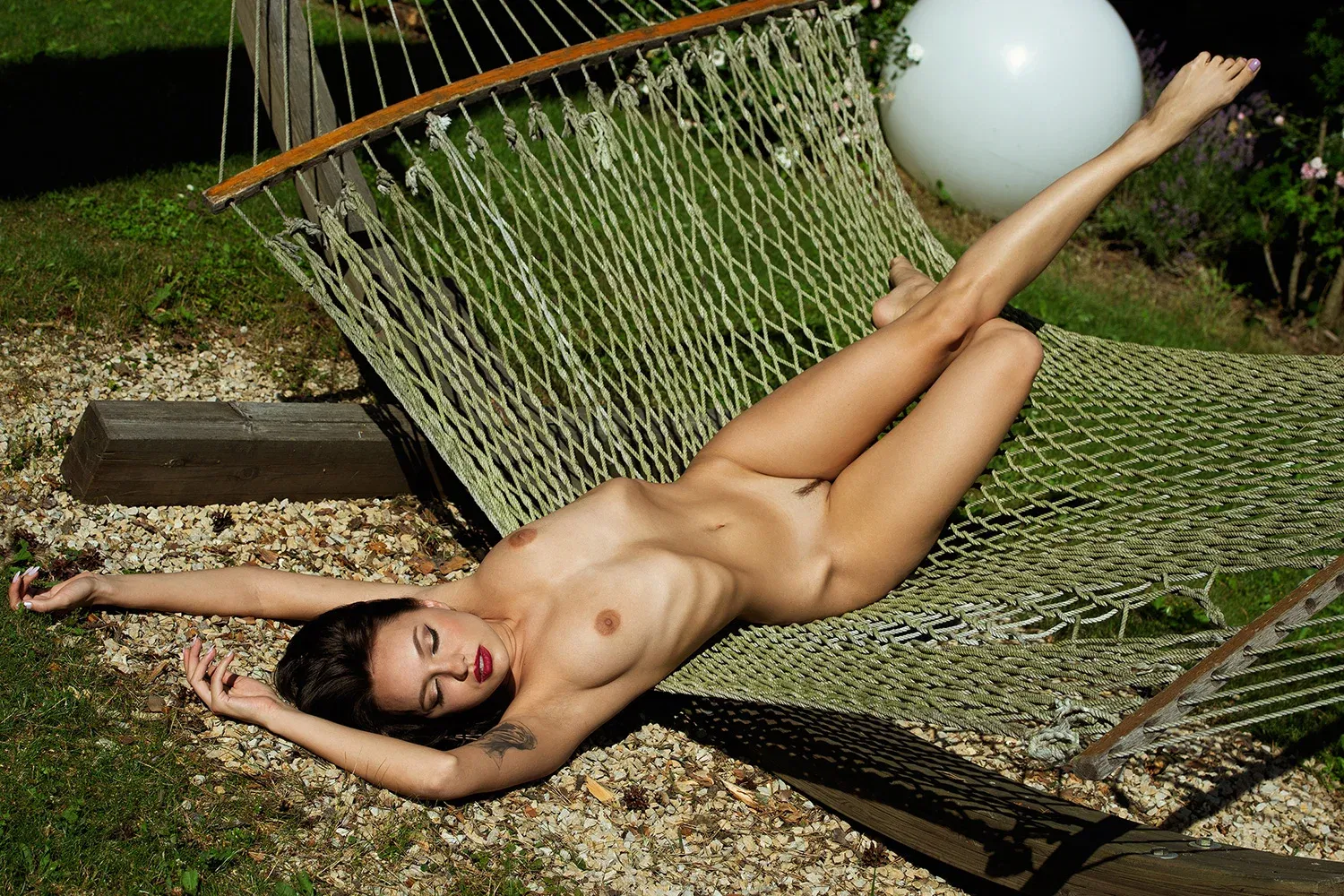
What remains is the image.
Nude photography is not a concept for me. It is created in the moment. Not in my head, not on paper. If there is something there that supports it – then it becomes a picture.
And if not, it remains empty.
