Authentic Nude Art: Silence Between Shots – Why the Real Images Happen in the In-Between
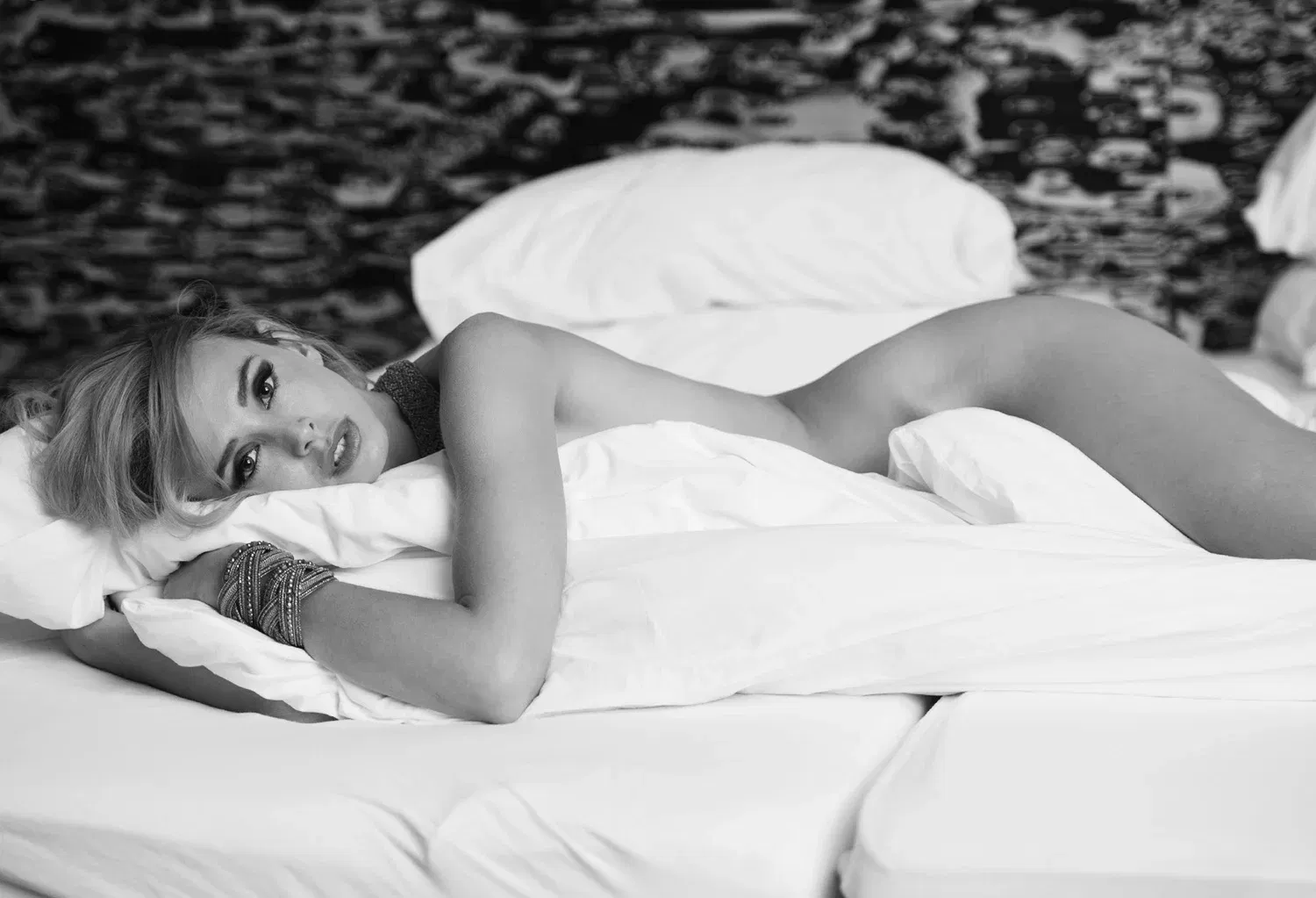
A set, a few minutes of shooting — then a break. That’s what fine art nude photography looks like for me. Not because I’m slow, but because I don’t need to prove how fast I can press the shutter. I look at the images, take a moment, and decide whether we move to the next room, go outside, or do nothing at all. No rigid plan, just instincts.
We talk, have a drink, sometimes a cigarette in between. She changes. Or reveals her silhouette. Whatever makes sense at that moment. No choreography, no stopwatch. Just a room, two people, and a pace you can’t force.
I need that looseness — everyone feels immediately whether they’re supposed to perform or simply be. The more space I give someone, the more honest the images become. That has nothing to do with mysticism and everything to do with experience: people soften when they notice no one is demanding anything from them.
If you want to understand why slowing down often creates better photographs than firing away nonstop, here’s a solid read:
Why Slowing Down Can Transform Your Photography
Talking, Feedback, Rhythm – Artistic Photography Without Pressure
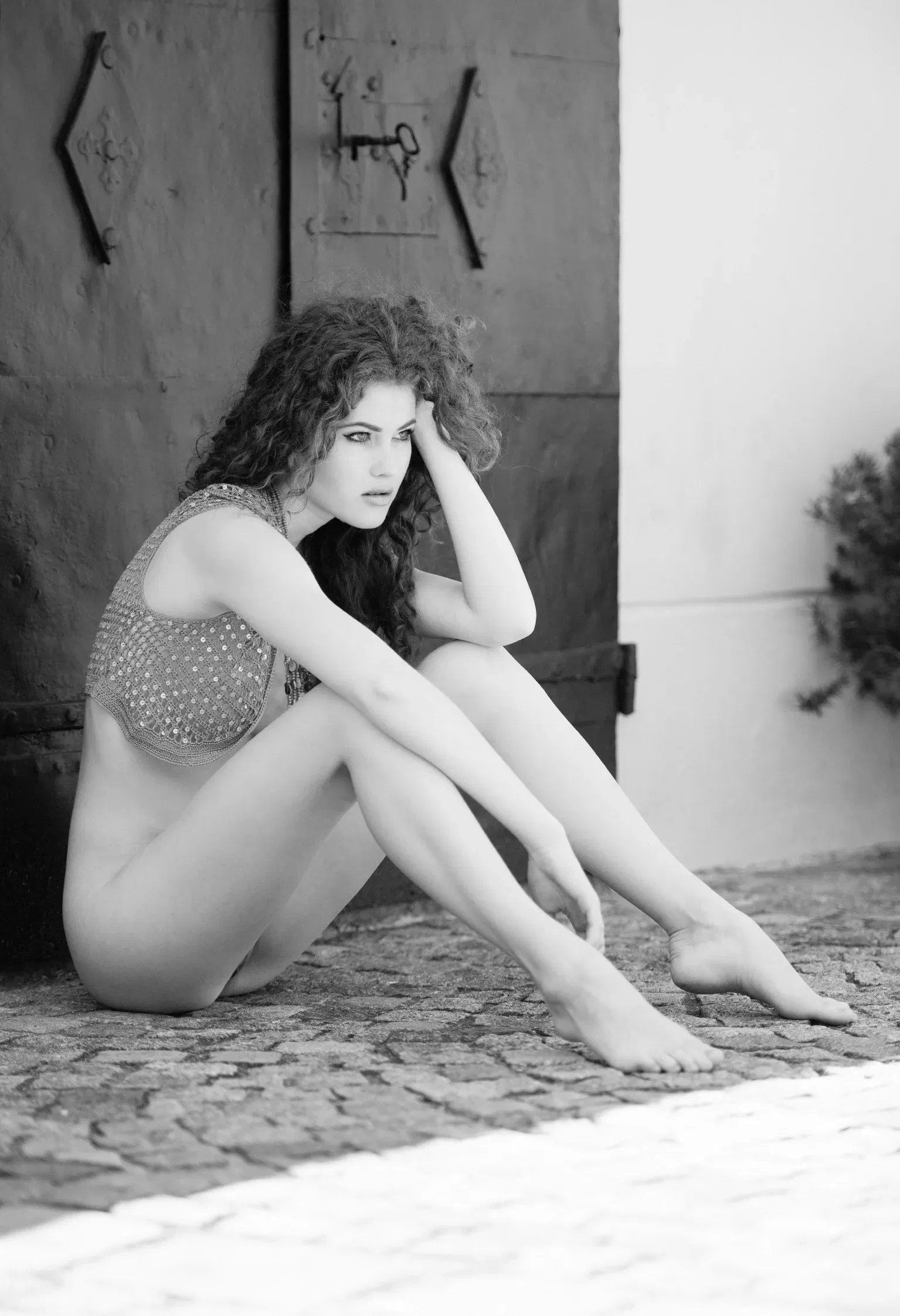
Contrary to the romantic myth of the silent photographer, I talk constantly. Not to fill the room with noise, but because steady, positive feedback is the backbone of a good atmosphere. When a model realizes something works, trust builds — and trust is the raw material of every good photograph.
I show the display now and then, not to brag, but so she sees where we’re going. A simple “that was strong” at the right moment does more work than any posing guide.
If you want to see how this approach translates into finished pieces, take a look at my small but intentional series:
SIGNED.FRAMED.ICONIC.
I guide, but I never push someone into a rigid idea. The image should emerge — not be forced. That’s how my nude art photography works: atmosphere first, technique after.
The Moment When the Pose Drops and a Person Remains
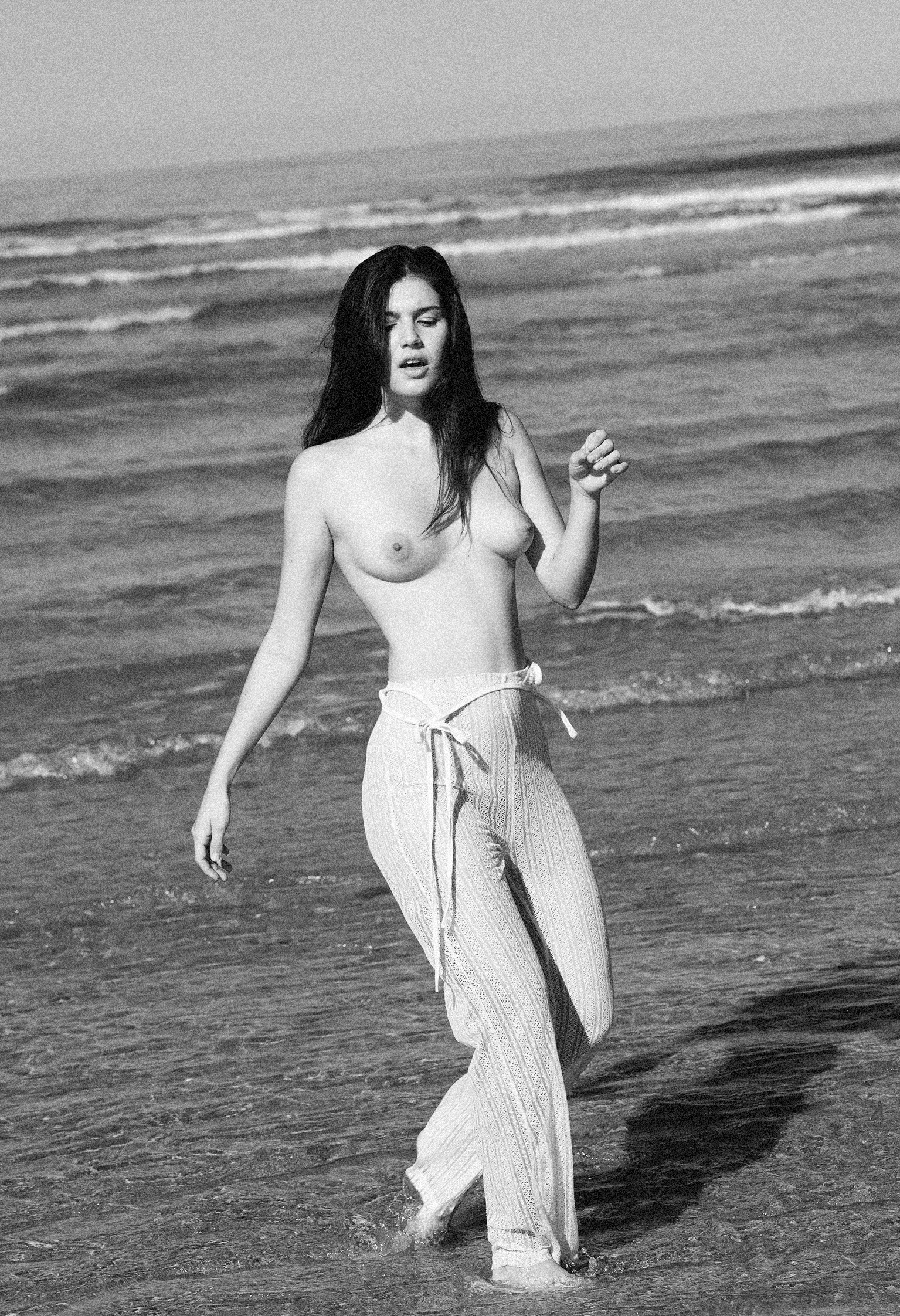
With some models, there’s a rhythm you can’t explain: two or three shots, then a break. A line, a laugh, a sip of water. A few more shots. Another break.
And sometimes the opposite happens: when everything suddenly locks together — light, body, mood — there are no breaks. Then we shoot as long as the moment carries us. Two or three times per session, there are these short stretches where everything aligns. That’s when we fine-tune tiny details because it’s clear: this is where the lasting image sits.
In that shift between easing off and tightening up, the photo-mode drops away. Shoulders relax, the gaze softens, someone rolls their eyes at themselves because something went wrong — and that’s where the real photograph often lives. Not in the perfect angle, but in the unguarded, half-formed moment no one tried to manufacture.
That’s especially visible in the
Collector’s Edition
— the large formats breathe because of these in-between moments, not because everything is flawless.
Less Show, More Human
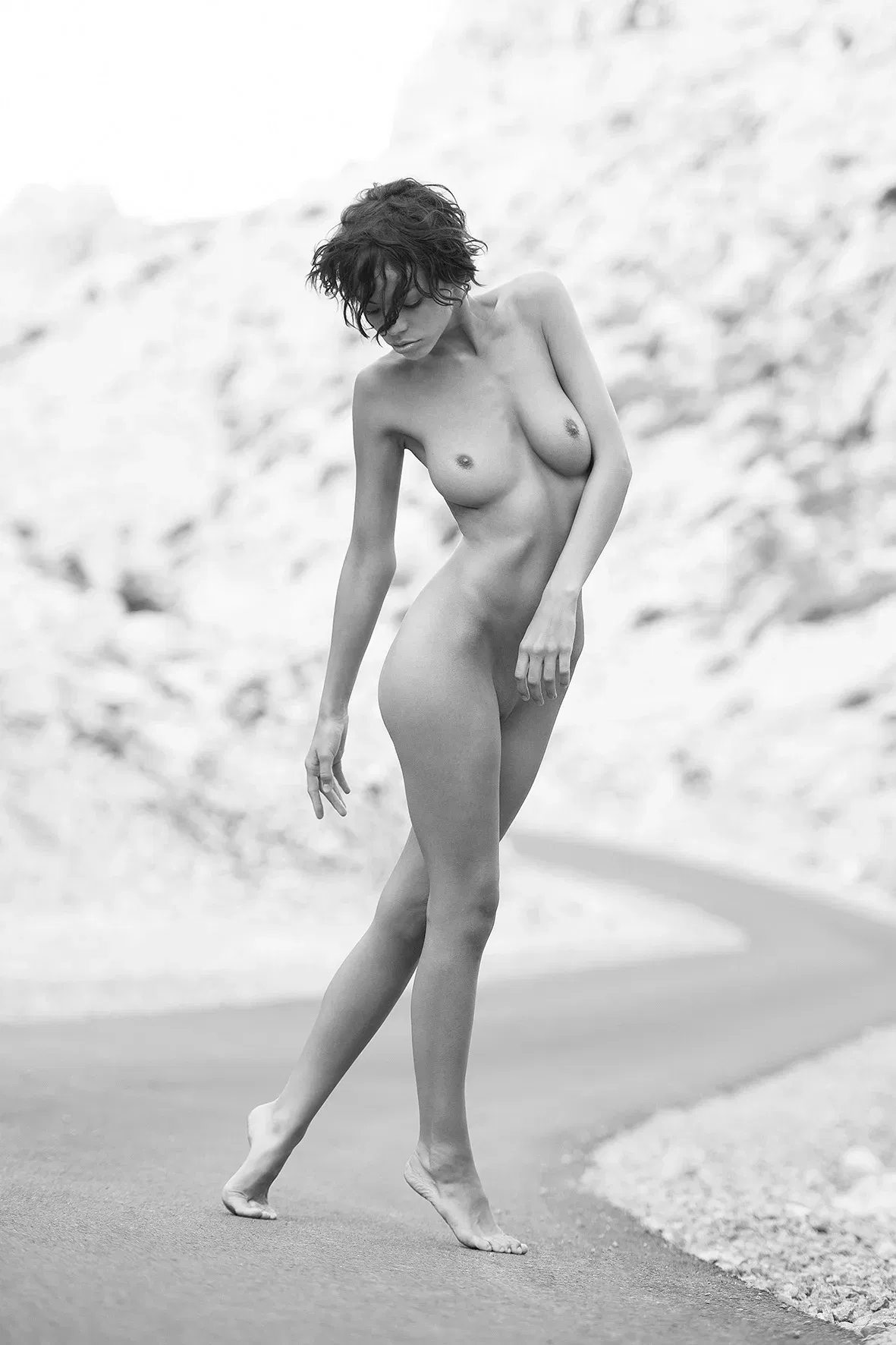
Things used to be slower: fewer calendars, no deadlines, no background noise of sales pressure. Today that pressure exists — of course, this is my job. But the way I work hasn’t changed: no artificial stress, no performance, no twenty instructions per minute.
I’d rather speak one honest sentence at the right moment than a hundred empty ones. I’d rather capture ten real moments than a hundred technically perfect but dead ones.
In the end, it’s always the same: a room, two people, a camera — and enough time until something real happens. Silence between shots doesn’t mean silence. It simply means nothing has to be acted.
